
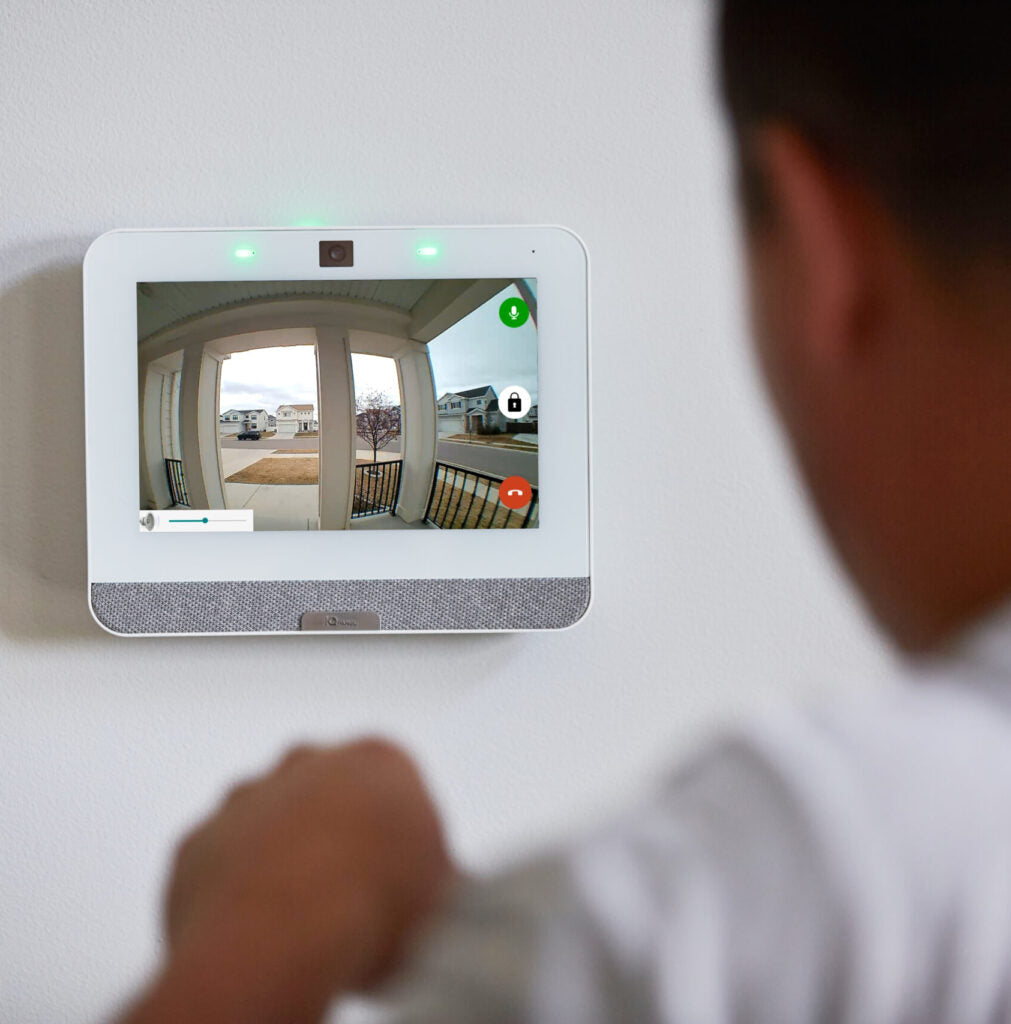

Renters often assume that security is primarily the landlord’s responsibility. While property owners may provide basic protections such as locks, exterior lighting, or building access controls, these measures are rarely sufficient to address personal safety, theft prevention, and real-time awareness. A dedicated security system gives renters direct control over their environment and significantly reduces risk.
1. Protection Beyond Standard Locks
Traditional locks are a first line of defense, but they do not prevent unauthorized access through forced entry, shared keys, or unsecured windows. Modern security systems add layers of protection through door/window sensors, motion detection, and real-time alerts, ensuring renters are immediately notified of suspicious activity.
2. Affordable and Flexible Options
Today’s security solutions are designed with renters in mind. Wireless systems eliminate the need for permanent installation, making them ideal for apartments and leased homes. Many providers offer scalable packages, allowing renters to start with basic monitoring and expand as needed without long-term commitments.
3. Remote Monitoring and Control
Smart security systems provide remote access via mobile devices, allowing renters to monitor their property from anywhere. Features such as live video feeds, instant alerts, and remote arming/disarming ensure constant visibility and control, whether at work, traveling, or running errands.
4. Deterrence Against Theft and Intrusion
Visible security components—such as cameras and signage—serve as effective deterrents. Criminals are less likely to target properties equipped with security systems due to the increased risk of detection and evidence capture.
5. Protection of Personal Property
Renters may not own the structure, but they are responsible for their belongings. A security system helps safeguard valuables such as electronics, personal documents, and furniture. When paired with renters insurance, it adds an additional layer of protection and documentation in the event of a claim.
6. Enhanced Safety in Shared or Multi-Unit Housing
Apartments and shared buildings introduce additional vulnerabilities, including multiple access points and higher foot traffic. A personal security system ensures that even within a shared structure, the individual unit remains protected and monitored.
7. Easy Relocation
Unlike hardwired systems, wireless security solutions can move with the renter. When relocating, the system can be quickly reinstalled at the new residence, protecting the investment and maintaining continuity in security coverage.
Conclusion
Security is not exclusive to homeowners. Renters face many of the same risks and benefit equally from proactive protection. With flexible, cost-effective, and easy-to-install solutions available, implementing a security system is a practical step toward improving safety, protecting assets, and maintaining peace of mind.


