
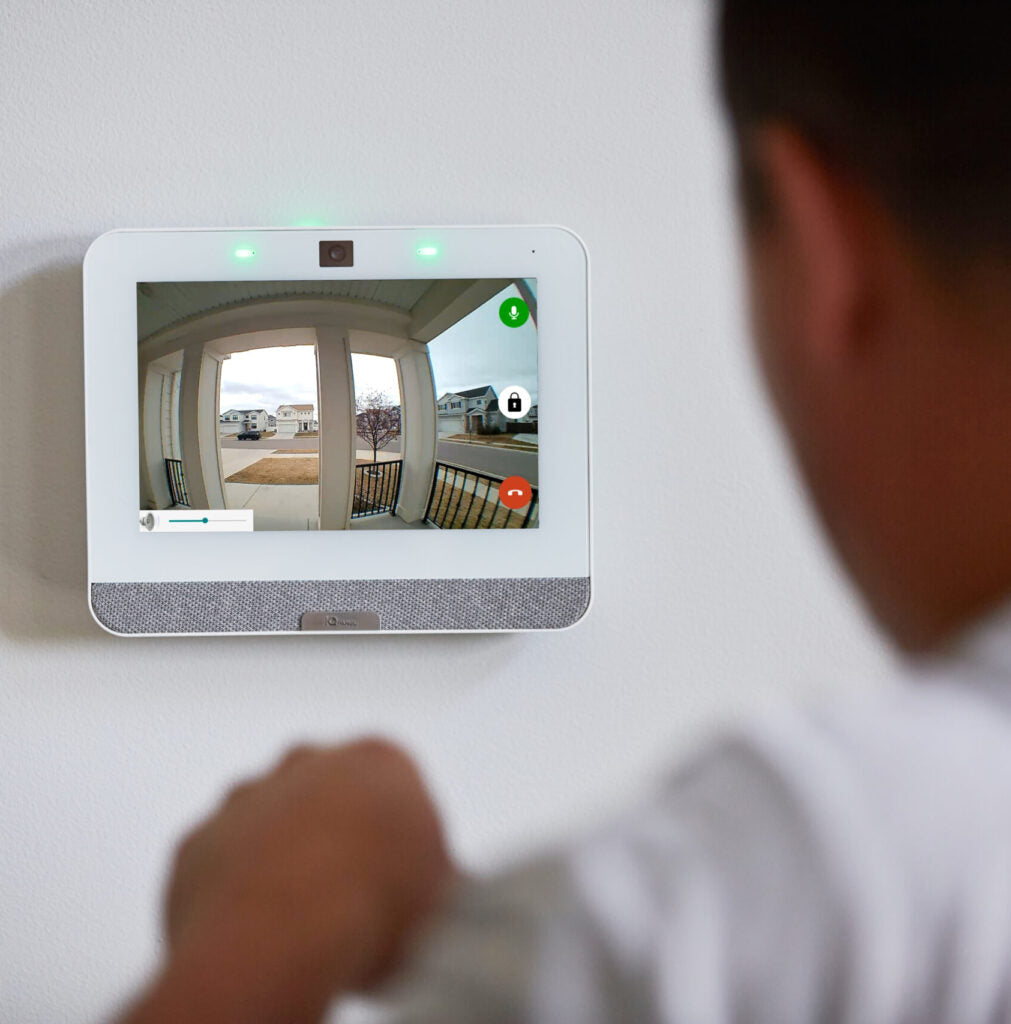

Protecting a home or business today means thinking beyond just burglary alarms. Fire hazards, environmental threats, and emergency response systems all play a critical role in keeping people and property safe. By integrating fire and safety monitoring into one connected system, property owners can simplify protection, improve response times, and gain greater peace of mind.
What Is Integrated Fire & Safety Monitoring?
Integrated fire and safety monitoring combines multiple protective systems into a single connected platform. Instead of having separate systems for smoke detection, carbon monoxide alerts, intrusion alarms, and environmental sensors, everything works together through one monitoring solution.
These systems can include:
- Smoke and heat detectors
- Carbon monoxide detectors
- Flood and water leak sensors
- Temperature monitoring
- Security alarms
- Emergency panic buttons
- Smart notifications and remote monitoring apps
When connected properly, these devices communicate with each other and with a professional monitoring center, creating a more complete safety network.
Why Integration Matters
Having separate systems can create gaps in protection. An integrated system ensures every alert is managed through one reliable platform.
Benefits include:
Faster Emergency Response
If smoke or carbon monoxide is detected, the monitoring center can immediately dispatch emergency services. Faster response times can reduce property damage and save lives.
Easier System Management
Managing one connected platform is much easier than juggling multiple disconnected systems. Users can monitor alerts, arm systems, and check device status from a single app or control panel.
Better Situational Awareness
Integrated systems provide a complete picture of what’s happening at a property. For example, if a fire alarm activates while motion sensors detect movement, emergency responders gain valuable information before arriving on-site.
Reduced Downtime for Businesses
For commercial properties, environmental monitoring can help prevent costly interruptions caused by fire damage, equipment overheating, or water leaks.
Key Components of an Integrated System
To build an effective fire and safety monitoring setup, several core components should work together seamlessly.
Smart Fire Detection
Modern smoke and heat detectors can provide instant alerts to both property owners and monitoring centers. Advanced detectors can even identify different types of fire conditions more accurately than older models.
Carbon Monoxide Protection
Carbon monoxide is invisible and odorless, making monitoring essential. Integrated CO detectors provide automatic alerts and emergency notifications when dangerous levels are detected.
Environmental Sensors
Water leaks, freezing temperatures, and humidity issues can cause serious damage over time. Environmental sensors help identify problems early before they become expensive repairs.
Professional Monitoring
A professionally monitored system ensures alerts are not missed, even when property owners are asleep, away, or unable to respond.
Integration for Homes
For homeowners, combining fire and safety monitoring with smart home technology adds convenience and stronger protection.
Examples include:
- Smart lights turning on during emergencies
- Automated door unlocking for emergency responders
- Mobile alerts sent instantly to family members
- Remote monitoring while traveling
Families gain peace of mind knowing multiple layers of protection are working together around the clock.
Integration for Businesses
Businesses often face higher risks due to equipment, inventory, employees, and customer traffic. Integrated monitoring helps business owners stay compliant with safety requirements while reducing risk.
Commercial integration can include:
- Fire alarm monitoring
- Access control systems
- Video surveillance integration
- Emergency evacuation alerts
- Temperature monitoring for sensitive equipment or inventory
A unified system also helps managers respond faster during emergencies and maintain better operational oversight.
Choosing the Right System
Not every property has the same needs. When selecting an integrated fire and safety monitoring solution, consider:
- Property size
- Number of occupants
- Local fire code requirements
- Existing security infrastructure
- Remote access needs
- Professional monitoring availability
Working with an experienced security and fire safety provider can help ensure the system is properly designed and installed.
Final Thoughts
Integrating fire and safety monitoring creates a stronger, smarter approach to protection. Instead of relying on disconnected devices, property owners gain a unified system that improves awareness, speeds up emergency response, and simplifies day-to-day management.
Whether for a home or business, combining fire detection, environmental monitoring, and security protection into one platform is a proactive step toward safer living and working environments.


