
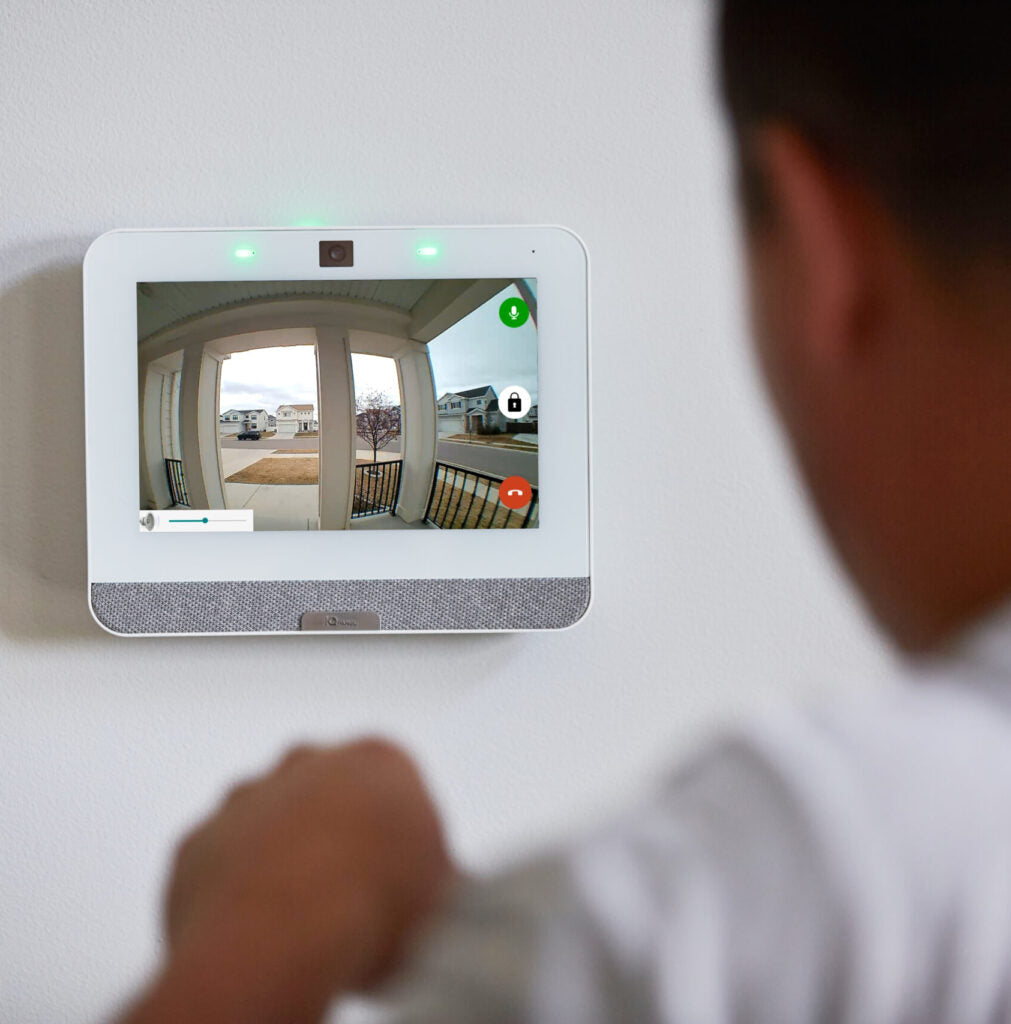

As summer approaches, increased travel, longer daylight hours, and more outdoor activity can create new security vulnerabilities. Preparing your home in advance helps reduce risk and ensures consistent protection while routines shift. The following steps provide a practical framework for strengthening residential security before the season begins.
1. Inspect and Maintain Entry Points
Start with all primary access points—doors, windows, and garage entries. Confirm that locks are functioning correctly and upgrade any outdated or worn hardware. Reinforce weak door frames and ensure deadbolts extend fully into the strike plate. For sliding doors, install security bars or track locks to prevent forced entry.
2. Test Your Security System
A full system check is critical. Verify that all sensors, alarms, and control panels are operational. Replace batteries where needed and confirm communication with your monitoring service. If your system is outdated, consider upgrading to a smart-enabled platform for remote access and real-time alerts.
3. Optimize Outdoor Lighting
Proper lighting is a strong deterrent. Install motion-activated lights around entrances, driveways, and darker areas of the property. Ensure all exterior fixtures are working and replace dim or burned-out bulbs. Strategic lighting reduces hiding spots and increases visibility at night.
4. Secure the Perimeter
Evaluate fencing, gates, and landscaping. Trim overgrown shrubs and trees near entry points to eliminate cover for intruders. Lock gates when not in use and repair any damaged fencing. Clearly defined boundaries help discourage unauthorized access.
5. Prepare for Travel
If you plan to be away, avoid signaling an empty home. Pause mail delivery or have it collected regularly. Use timers or smart systems to control lighting and simulate occupancy. Inform a trusted neighbor to monitor your property and report any unusual activity.
6. Protect Outdoor Assets
Summer often means increased use of outdoor equipment such as grills, bicycles, and lawn tools. Store items in locked sheds or garages when not in use. Anchor larger equipment and consider adding surveillance coverage to outdoor storage areas.
7. Update Surveillance Coverage
Review camera placement to ensure full coverage of entry points and high-traffic areas. Clean lenses, check recording functionality, and confirm remote viewing access. Upgrading to high-definition or motion-tracking cameras can improve monitoring effectiveness.
8. Strengthen Garage Security
Garages are frequently overlooked. Disable emergency release cords from outside access, keep doors closed when not in use, and secure any interior doors leading into the home. Smart garage controllers can provide alerts and remote control capabilities.
9. Review Emergency Preparedness
Ensure your emergency contacts and response plans are up to date. Test smoke detectors and carbon monoxide alarms. Summer storms can create unexpected risks, so backup power solutions and surge protection should also be considered.
10. Conduct a Full Security Review
Walk your property from the perspective of an outsider. Identify vulnerabilities such as blind spots, unsecured areas, or outdated equipment. Addressing these gaps proactively helps maintain a consistent level of protection throughout the season.
Conclusion
Seasonal changes present an opportunity to reassess and strengthen your home’s security. By completing these essential steps, homeowners can reduce exposure to common risks and maintain confidence in their system’s performance throughout the summer months.


