
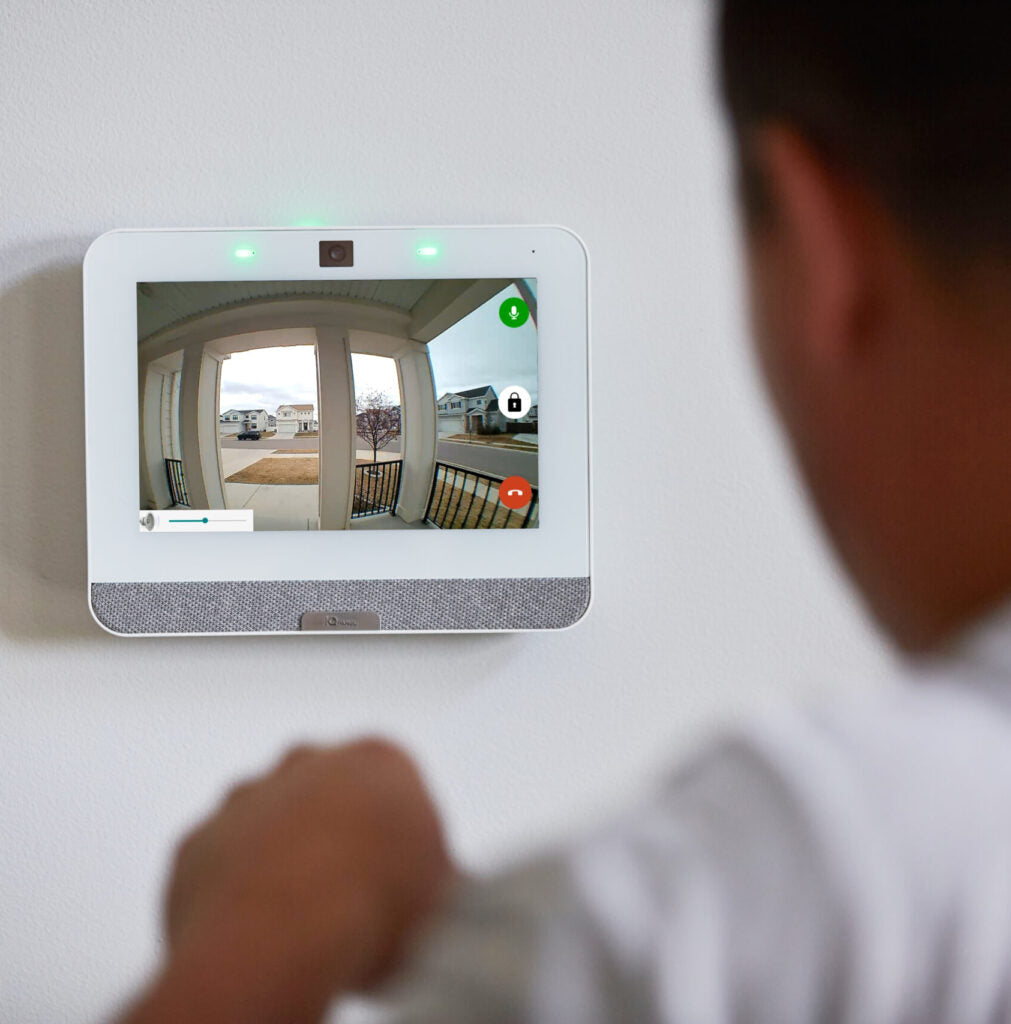

Keeping a business secure is about more than locking the front door at the end of the day. Modern businesses need smarter ways to control who can enter certain areas, when they can access them, and how that access is monitored. That’s where access control solutions come in.
If you’re new to business security systems, this beginner’s guide will help you understand what access control is, how it works, and why it’s an important investment for businesses of all sizes.
What Is Access Control?
Access control is a security system designed to manage and restrict entry to buildings, rooms, or sensitive areas. Instead of relying on traditional keys, access control systems use credentials such as:
- Keycards or fobs
- PIN codes
- Mobile phone credentials
- Biometric scanners (fingerprint or facial recognition)
These systems allow business owners to decide exactly who has access to specific locations and during what hours.
Why Businesses Need Access Control
Traditional keys can easily be lost, copied, or stolen. With access control systems, businesses gain better security and more flexibility.
Some key benefits include:
Improved Security
Access control systems prevent unauthorized individuals from entering restricted areas. This helps protect employees, customers, inventory, and sensitive information.
Easy Employee Management
If an employee leaves the company, you can simply deactivate their credentials instead of changing locks throughout the building.
Activity Tracking
Many systems keep logs of who entered certain areas and at what time. This creates accountability and can help during investigations or audits.
Custom Access Levels
Not every employee needs access to every room. Access control allows businesses to assign permissions based on roles or responsibilities.
Remote Management
Many modern systems allow business owners to monitor and manage access remotely through a smartphone or computer.
Types of Access Control Systems
Different businesses have different security needs. Here are some common types of access control systems:
Standalone Systems
These systems control a single door and are often used for small offices or storage rooms.
Networked Access Control
A centralized system manages multiple doors and locations. This is ideal for larger businesses or multi-building properties.
Cloud-Based Access Control
Cloud systems allow remote management and real-time updates from anywhere with internet access.
Biometric Access Control
These systems use fingerprints, facial recognition, or retina scans for enhanced security.
Common Areas Businesses Protect
Access control systems are commonly used to secure:
- Server rooms
- Offices
- Warehouses
- Employee-only areas
- Inventory storage rooms
- Parking garages
- Data centers
Features to Look For
When choosing an access control solution, businesses should consider features such as:
- Mobile access compatibility
- Real-time alerts
- Audit logs and reporting
- Integration with surveillance cameras
- Remote management capabilities
- Scalability for future growth
Choosing the Right System
The best access control solution depends on your business size, industry, and security goals. A small retail store may only need a simple keypad entry system, while a large office building may require a cloud-based system with multiple access levels and camera integration.
Working with a professional security provider can help ensure the system is designed properly for your specific needs.
Final Thoughts
Access control solutions provide businesses with stronger security, better accountability, and greater convenience than traditional locks and keys. Whether you operate a small office or a large commercial facility, investing in the right access control system can help protect your employees, assets, and operations.
As security technology continues to evolve, access control systems are becoming more affordable, scalable, and easier to manage — making them a smart investment for businesses looking to improve safety and efficiency.


