
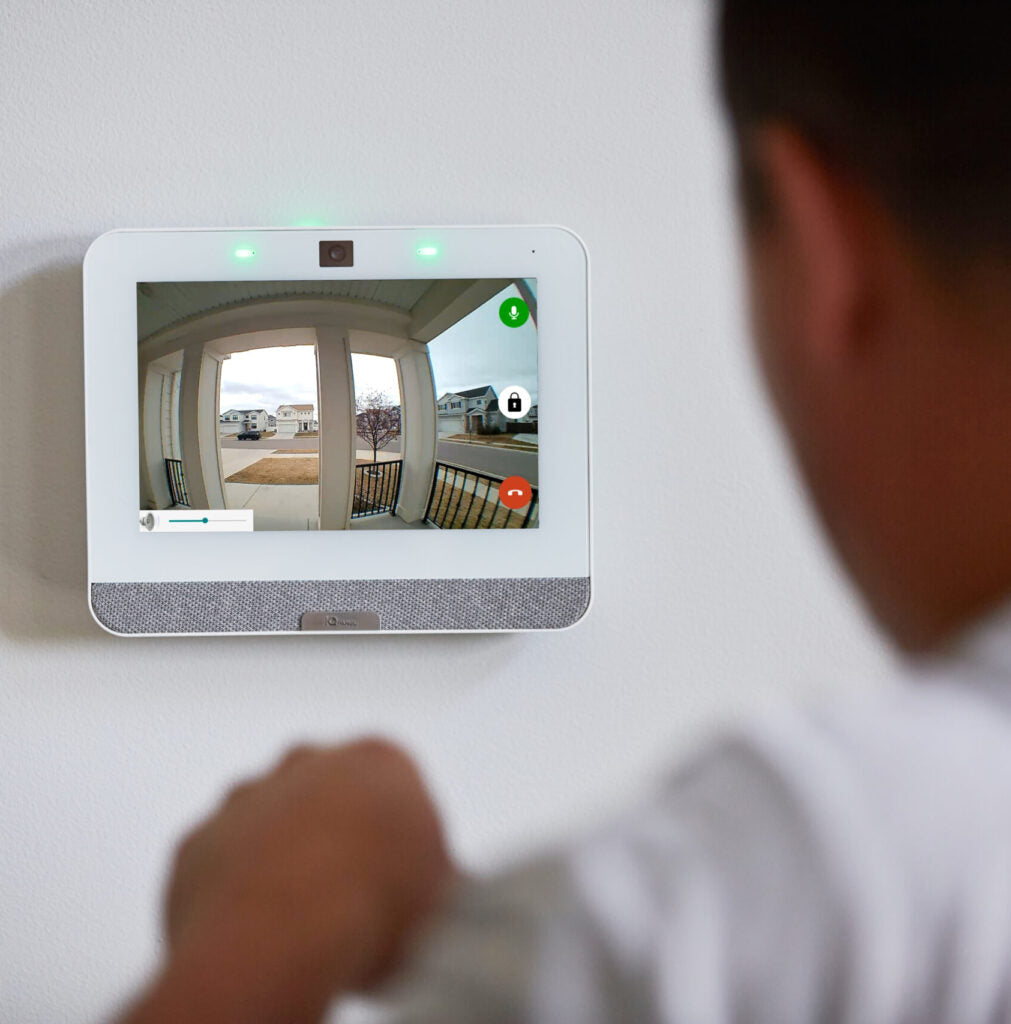

Artificial intelligence is rapidly transforming the way we protect our homes, moving far beyond traditional alarms and basic surveillance cameras. What was once a reactive system—alerting homeowners after an incident—has evolved into a proactive, intelligent network capable of predicting, preventing, and adapting to potential threats in real time.
Smarter Surveillance Systems
Modern AI-powered cameras no longer just record footage; they interpret it. Using advanced recognition algorithms, these systems can distinguish between people, pets, vehicles, and even suspicious behaviors. This means fewer false alarms and more meaningful alerts. For example, instead of notifying you about every movement, your system can specifically alert you when an unfamiliar person lingers near your property.
Facial Recognition and Personalized Access
AI-driven facial recognition is making home access both more secure and more convenient. Homeowners can grant personalized entry permissions to family members, friends, or service providers. The system learns and adapts over time, recognizing familiar faces while flagging unknown individuals instantly. This eliminates the need for keys, codes, or even smartphones in some cases.
Predictive Threat Detection
One of the most exciting advancements is predictive analytics. AI systems can analyze patterns—such as unusual activity times, repeated motion in restricted areas, or environmental anomalies—to identify potential threats before they escalate. Instead of reacting to a break-in, your system could warn you about suspicious behavior hours or even days in advance.
Voice and Smart Assistant Integration
AI home security is increasingly integrated with voice assistants and smart home ecosystems. Homeowners can control locks, cameras, and alarms using simple voice commands or automated routines. For instance, saying “goodnight” could lock all doors, activate cameras, and arm the alarm system simultaneously.
Enhanced Privacy Controls
As AI becomes more powerful, privacy concerns grow alongside it. Future systems are focusing on edge computing—processing data locally rather than in the cloud—to reduce the risk of data breaches. Users will also have greater control over what is recorded, stored, and shared.
Autonomous Response Systems
The next wave of AI security may include systems that take action without human intervention. Imagine a system that can lock doors, trigger lights, contact authorities, or even communicate with intruders through speakers—all automatically when a threat is detected.
Integration with Neighborhood Networks
AI won’t just protect individual homes; it will connect entire communities. Shared data between neighboring systems can help identify patterns of suspicious activity across a wider area, creating a collaborative security network that benefits everyone.
What Lies Ahead
The future of AI in home security is about creating safer, smarter, and more intuitive living environments. As technology continues to evolve, we can expect systems that are not only more accurate and efficient but also seamlessly integrated into everyday life—working quietly in the background to keep us safe.
Ultimately, AI is shifting home security from a passive safeguard to an active partner in protecting what matters most.


