
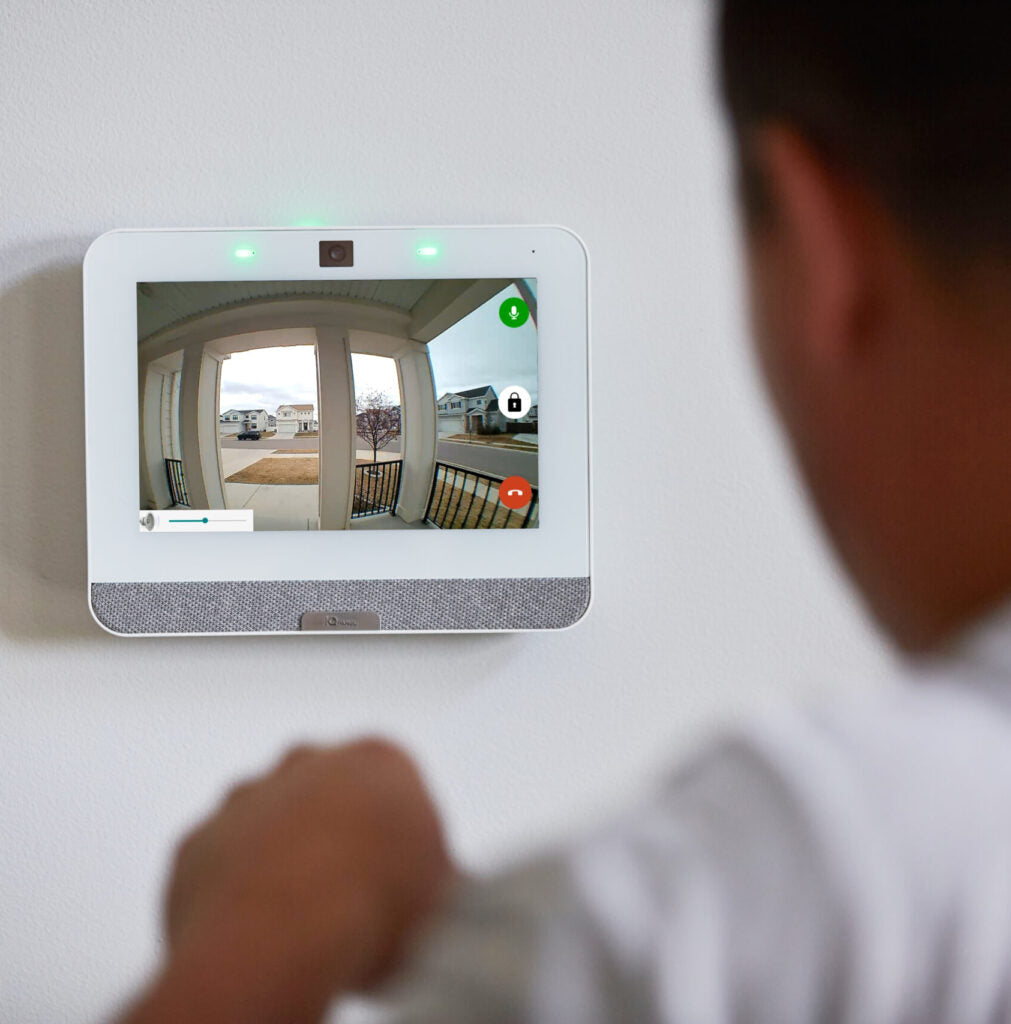

Outdoor surveillance cameras are a critical component of a modern security strategy, providing visibility, deterrence, and documentation of activity around a property. However, effective installation requires more than simply mounting a device. Proper planning ensures optimal performance, compliance, and long-term reliability.
1. Define Your Coverage Goals
Start by identifying the areas that require monitoring. Common priority zones include entry points, driveways, garages, and blind spots not visible from inside the property. Avoid unnecessary overlap while ensuring no critical areas are left unmonitored.
2. Understand Camera Types and Features
Outdoor cameras vary widely in capability. Key features to evaluate include:
- Resolution (minimum 1080p recommended)
- Night vision or low-light performance
- Motion detection and smart alerts
- Wide dynamic range (WDR) for handling lighting contrast
- Weather resistance ratings (IP65 or higher)
Selecting the right combination of features directly impacts usability and evidence quality.
3. Placement and Mounting Considerations
Camera positioning affects both effectiveness and longevity. Install cameras:
- At a height of 8–10 feet to prevent tampering
- Angled to capture faces rather than just the tops of heads
- Away from direct sunlight or glare sources
- Under eaves or protective coverings when possible
Proper placement reduces false alerts and improves image clarity.
4. Power and Connectivity
Determine whether your system will be wired, wireless, or battery-powered. Each has trade-offs:
- Wired systems offer reliability and consistent power
- Wireless systems provide easier installation but depend on signal strength
- Battery-powered units require routine maintenance
Ensure strong Wi-Fi coverage for wireless cameras to prevent lag or dropped connections.
5. Storage and Access
Decide how footage will be stored and accessed:
- Local storage (NVR/DVR) for greater control and no monthly fees
- Cloud storage for remote access and backup redundancy
Confirm retention periods and ease of retrieving footage when needed.
6. Legal and Privacy Considerations
Outdoor cameras must be installed responsibly. Avoid pointing cameras directly into neighboring properties or private areas. Be aware of local regulations regarding audio recording and surveillance to ensure compliance.
7. Lighting and Environmental Factors
Adequate lighting improves image quality. Consider supplemental lighting or cameras with advanced night vision. Also account for:
- Extreme temperatures
- Rain, snow, and wind exposure
- Insects or debris that may obstruct the lens
Choosing weather-rated equipment minimizes maintenance issues.
8. Integration with a Broader Security System
Outdoor cameras are most effective when integrated with alarms, motion sensors, and smart home platforms. This allows for automated responses such as alerts, lighting activation, or recording triggers.
9. Professional vs. DIY Installation
While DIY installation may reduce upfront costs, professional installation ensures:
- Proper placement and configuration
- Secure wiring and connections
- Optimized system performance
For larger properties or business applications, professional setup is strongly recommended.


