
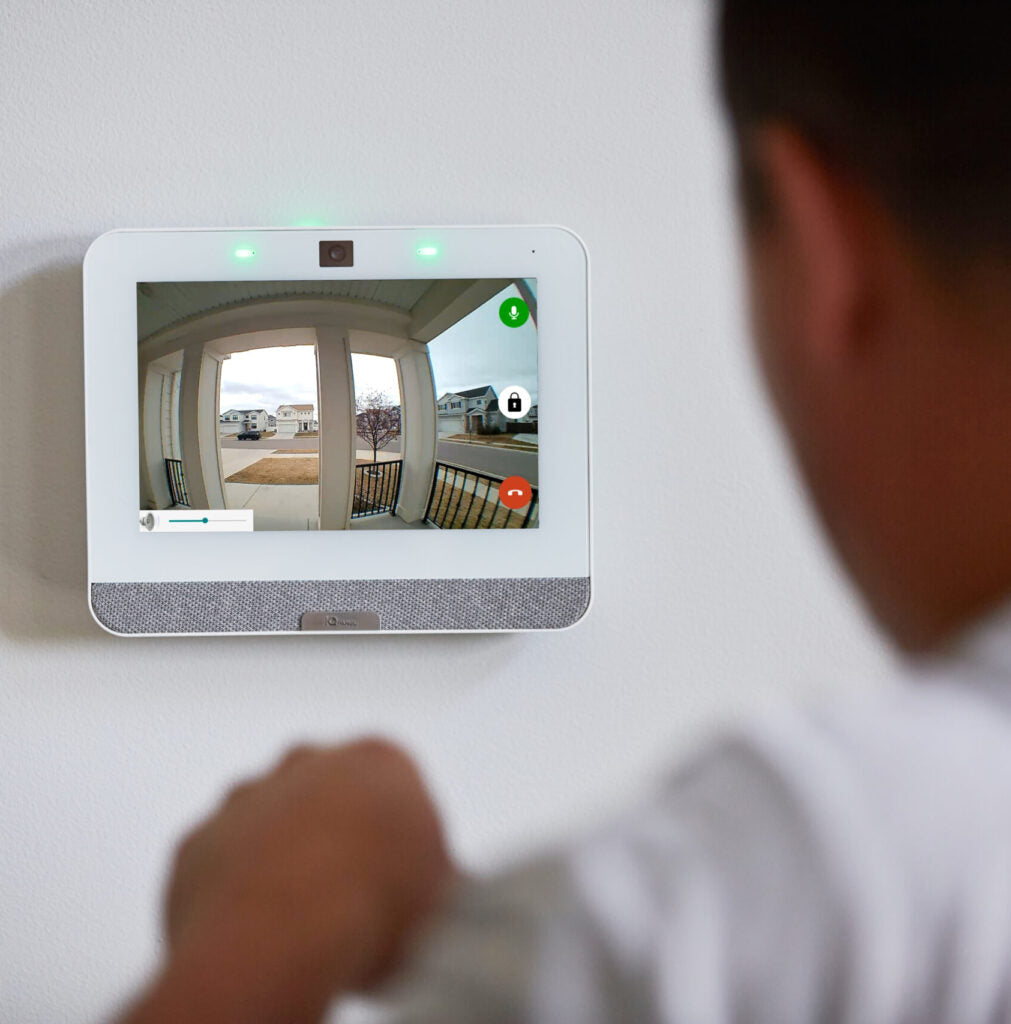

For decades, the peephole has been a standard feature on front doors, offering a quick way to see who’s outside before opening up. But with the rise of smart home technology, video doorbells have become one of the most popular security upgrades for homeowners and renters alike.
So which option actually provides better protection — a traditional peephole or a smart doorbell? Let’s break down the differences and see which one truly keeps your home safer.
What a Traditional Peephole Offers
A peephole is simple, inexpensive, and doesn’t require power or internet access. By looking through the small lens in your door, you can get a limited view of whoever is standing outside.
Pros of peepholes:
-
Low cost and easy installation
-
No electronics, apps, or subscriptions
-
Works during power or internet outages
Limitations of peepholes:
-
Very limited field of view
-
Requires you to physically approach the door
-
No recording or evidence if something happens
-
Cannot see deliveries or visitors when you’re away
While peepholes are better than opening the door blindly, they rely entirely on someone being home and paying attention at the right moment.
What Smart Doorbells Bring to the Table
Smart doorbells use cameras, motion sensors, and mobile apps to let you see and communicate with visitors in real time — whether you’re home or not. Many models also record video clips when motion is detected.
Advantages of smart doorbells:
-
Wide-angle video view of your entryway
-
Live video and two-way audio from your phone
-
Motion alerts for visitors, deliveries, or suspicious activity
-
Video recordings that can be reviewed or shared
-
Deterrence — visible cameras often discourage criminals
Unlike peepholes, smart doorbells don’t require you to approach the door, which can be especially important if someone outside seems suspicious.
Safety Comparison: Which Is Better?
From a security standpoint, smart doorbells offer significantly more protection than traditional peepholes.
A peephole only shows you what’s happening at one specific moment. A smart doorbell, on the other hand, creates a record of activity, alerts you instantly, and allows you to respond without opening the door. This added visibility can help prevent package theft, identify unknown visitors, and provide evidence if an incident occurs.
Smart doorbells also help protect vulnerable individuals — such as seniors or families with children — by allowing them to screen visitors safely.
Are There Any Downsides to Smart Doorbells?
Smart doorbells do require Wi-Fi, power (battery or wired), and occasional maintenance. Privacy settings must also be configured properly to avoid recording more than intended.
That said, professionally installed systems can minimize these concerns by ensuring proper placement, secure settings, and reliable performance.
The Best Option: Layered Security
While smart doorbells clearly outperform peepholes, the most effective approach is layered security. A doorbell camera works best when paired with:
-
Outdoor cameras
-
Motion sensors
-
Smart locks
-
Professional monitoring
This combination provides protection not just at your front door, but around your entire property.
Final Verdict
Traditional peepholes are better than nothing — but in today’s world, they simply can’t compete with the visibility, convenience, and protection offered by smart doorbells.
If you want to know who’s at your door, when they arrived, and what they did — even when you’re not home — a smart doorbell is the safer choice.
At Catawba Security, we help homeowners choose and install smart doorbell solutions that integrate seamlessly into a complete security system, giving you confidence every time someone approaches your door.


