

As loved ones age, their homes should evolve to support changing mobility, vision, hearing, and health needs. A safer living environment can help prevent injuries, increase independence, and provide peace of mind for both seniors and their families. Whether your elderly family member lives alone or with relatives, taking proactive steps now can make a major difference in their safety and quality of life.
Start With a Home Safety Assessment
Walk through the home and look for common hazards that could lead to falls or accidents. Pay close attention to:
- Loose rugs or slippery flooring
- Poor lighting in hallways and stairways
- Cluttered walkways
- Unstable furniture
- Hard-to-reach storage areas
Small changes can significantly reduce the risk of injury. Consider rearranging furniture to create wider walking paths and keeping everyday essentials within easy reach.
Improve Lighting Throughout the Home
Many seniors experience reduced vision, making proper lighting essential. Increase visibility by:
- Installing brighter LED bulbs
- Adding motion-sensor lighting in hallways and bathrooms
- Using night lights in bedrooms and staircases
- Illuminating entryways and outdoor paths
Good lighting helps prevent trips and falls while making daily tasks easier and safer.
Focus on Fall Prevention
Falls are one of the leading causes of injury among older adults. To help reduce risks:
- Install grab bars in bathrooms near toilets and showers
- Add non-slip mats in tubs and on tile floors
- Secure rugs with non-slip backing or remove them entirely
- Install handrails on both sides of stairways
- Encourage the use of supportive footwear indoors
If mobility is becoming difficult, stair lifts or ramps may also be worth considering.
Upgrade Home Security
Older adults can sometimes become targets for theft or scams. A reliable security system can help protect both the home and the person living inside it. Helpful features include:
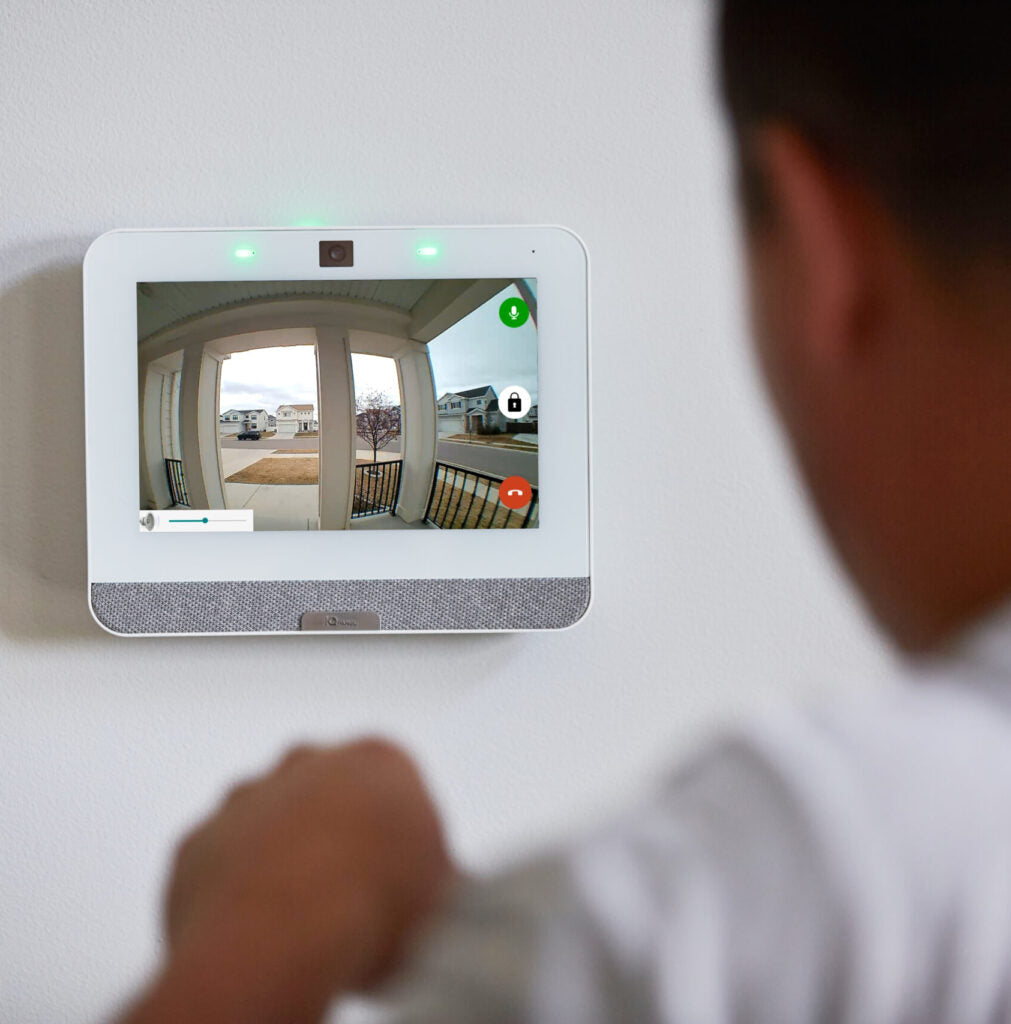
- Video doorbells for screening visitors
- Smart locks for easier access control
- Security cameras around entry points
- Alarm systems with emergency response capabilities
- Mobile alerts for caregivers or family members
Modern systems can also help family members check in remotely and respond quickly if something seems wrong.
Make Emergency Response Easy
Quick access to help is critical during emergencies. Keep emergency numbers clearly posted and make sure phones are easy to access. Consider:
- Medical alert systems
- Panic buttons
- Smoke and carbon monoxide detectors
- Monitored alarm systems
- Backup power for critical medical equipment
Regularly test alarms and replace batteries to ensure everything works properly.
Simplify Daily Living
A safer home is also a more comfortable and manageable one. Smart home technology can make everyday tasks easier for elderly family members by allowing voice or remote control of:
- Lights
- Thermostats
- Door locks
- Appliances
- Security systems
These tools can reduce physical strain and help seniors maintain independence longer.
Don’t Forget Outdoor Safety
Outdoor hazards can be just as dangerous as indoor ones. Improve exterior safety by:
- Repairing cracked walkways
- Installing railings near steps
- Keeping pathways clear of debris or snow
- Adding outdoor lighting around entrances and driveways
Safe outdoor access helps seniors move confidently around their property.
Regularly Reevaluate Safety Needs
As health and mobility change, safety needs may change too. Reassess the home regularly and make updates as necessary. Staying proactive can help elderly family members remain safe, comfortable, and independent for years to come.
Creating a safer home for aging loved ones isn’t just about preventing accidents — it’s about preserving dignity, confidence, and peace of mind for the entire family.


