
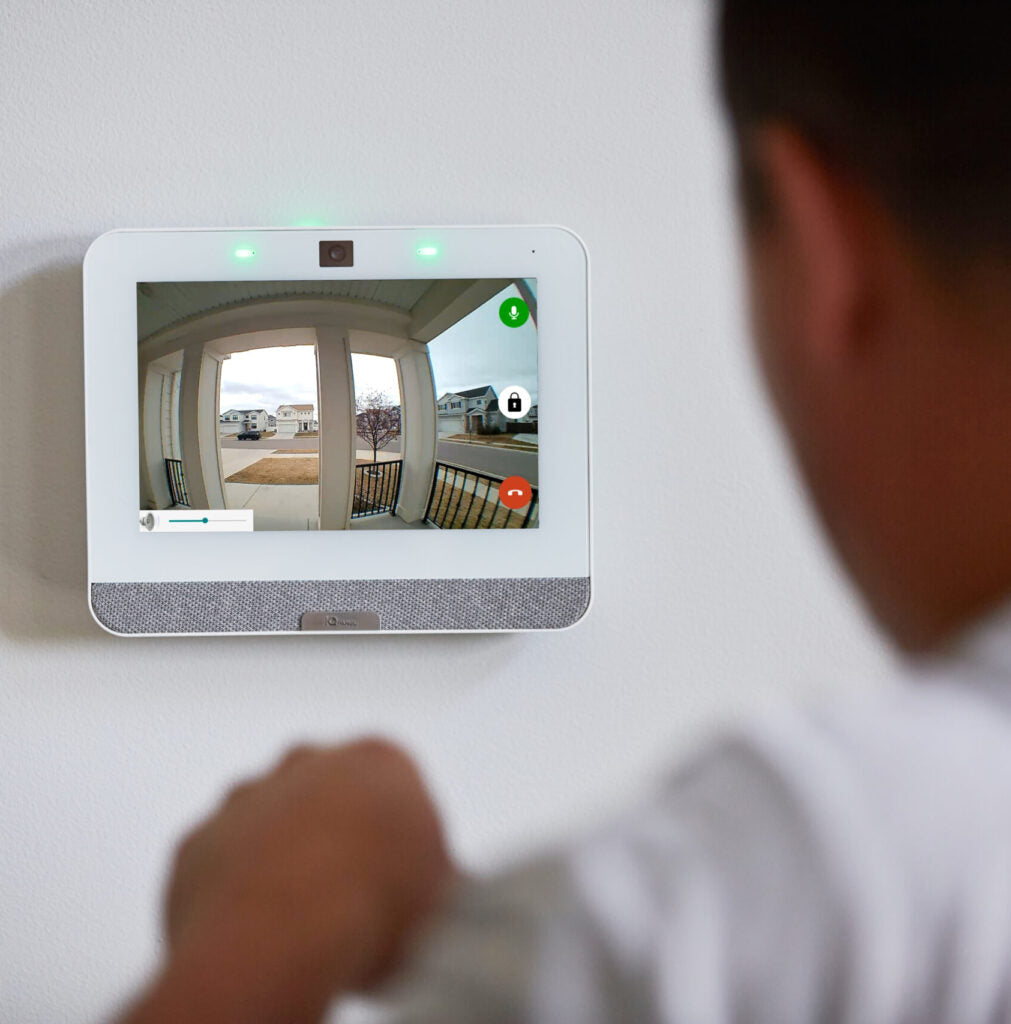

Home security has come a long way. Smart cameras, doorbells, and connected alarms give homeowners more control and peace of mind than ever before. At the same time, many people worry about how to stay protected without feeling constantly watched. The good news? Safety and privacy don’t have to be at odds.
Here’s how to strike the right balance.
Choose Purpose-Driven Coverage
Security devices should protect entry points and high-risk areas—not every inch of your living space. Focus cameras on doors, driveways, garages, and exterior areas. Indoors, limit coverage to common areas or places where valuables are stored, and avoid bedrooms or bathrooms entirely.
Use Smart Privacy Features
Modern systems offer tools designed specifically to protect privacy. Look for features like:
-
Privacy zones to block sensitive areas from view
-
Scheduling so cameras pause when you’re home
-
Manual disable controls for indoor cameras
These options let you turn protection on when you need it—and off when you don’t.
Control Who Has Access
Security footage and system controls should only be available to trusted users. Use unique logins, strong passwords, and two-factor authentication when available. If a contractor or guest needs temporary access, make sure it can be revoked easily.
Be Transparent With Family and Guests
Everyone in the home should know where cameras and sensors are located and what they’re used for. Clear communication builds trust and prevents discomfort—especially for kids, visitors, or extended family.
Keep Systems Updated
Outdated software can create privacy risks. Regular updates help patch vulnerabilities, improve encryption, and ensure your data stays protected from outside threats.
Work With a Professional
A professionally designed system takes both security and privacy into account. Proper placement, configuration, and education make a big difference in how comfortable and effective your system feels day to day.
The bottom line: A well-planned security system should make you feel safer—not watched. With the right setup and settings, you can protect your home, your family, and your privacy at the same time.


